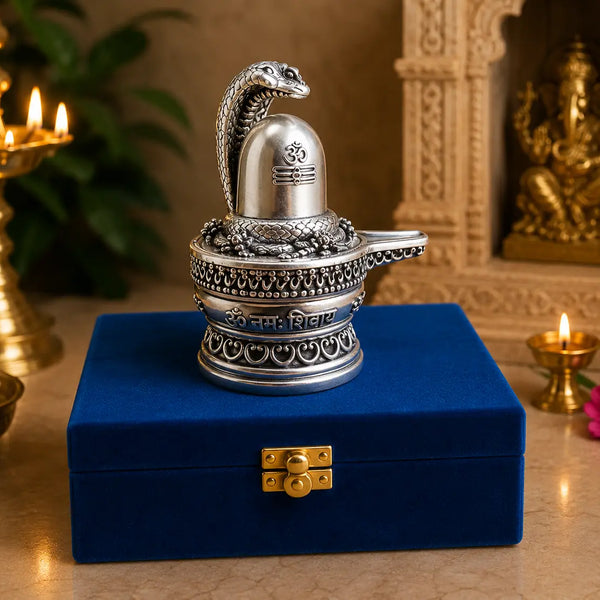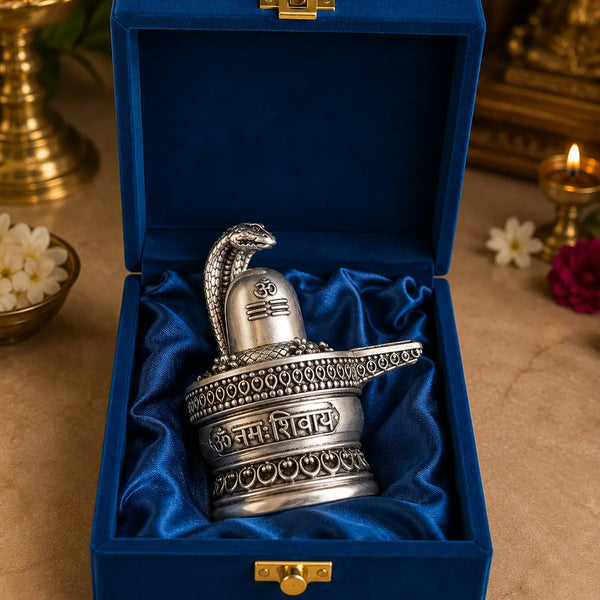

In every Shiva temple, one figure sits quietly opposite the sanctum, eyes fixed on the deity in eternal devotion — Nandi, Lord Shiva's sacred bull and most loyal follower. Many devotees want to recreate this at home but aren't sure where to start: which direction should Nandi face, does he need a Shivling to sit with, and what does keeping him at home actually mean spiritually?
Here's a complete, practical guide.
1. Who Is Nandi, and Why Does He Matter?
Nandi is Lord Shiva's vahana (vehicle) and gatekeeper, but his significance runs deeper than that. He represents unwavering devotion, discipline, strength and patience — the qualities of the ideal devotee. In temple architecture, Nandi always sits facing the sanctum, a posture of focused, eternal attention. Keeping a Nandi idol at home is a way of inviting that same quality of devotion into your daily life.
2. Where Should Nandi Face?
This is the single most important placement rule, and different Vastu sources broadly agree on the core principle even if the exact corner varies: Nandi should always face the Shiva Linga or Shiva idol he accompanies — never with his back to Shiva. If you already have a Shivling at home, this is non-negotiable; the two are traditionally never separated.
🥔 Placement Tip: Position Nandi slightly in front of and below the Shivling, exactly as seen in temple sanctums — not beside it, and not facing away.
3. Do You Need a Shivling to Keep a Nandi Idol?
Not strictly — many households keep Nandi on its own as a symbol of devotion, discipline and stability. But traditionally, Nandi is meant to be paired with a Shiva Linga or Shiva idol. If you're setting up a new home mandir, consider bringing both in together so the placement is complete from day one.

4. Where in the House?
Most Vastu guidance points to the northeast or southwest corner of your pooja room as the most auspicious spot, kept on a clean, elevated platform — never directly on the floor, and never above eye level when you're seated in prayer. Some traditions also suggest a small Nandi facing inward near the main entrance, believed to protect the household. For most home mandirs, though, placing Nandi facing your Shiva idol in the pooja space is the simplest and most traditionally correct choice.
5. The Whispering Tradition
Many devotees whisper their wishes into Nandi's ear before prayer, believing he carries them directly to Lord Shiva. It's a small, personal ritual — no special timing or method required, just quiet devotion.
6. Caring for Your Nandi Idol
Keep the space around Nandi clean and free of dust or dead flowers — a cluttered space is considered to dull the energy he brings. For a silver-plated idol specifically, clean only with a soft, dry cloth. Avoid milk, water or liquid offerings directly on the idol, as these can affect the plated finish over time.
Choosing Your Nandi Idol
A compact 3-inch Nandi is easy to place correctly in even a small home mandir, without overwhelming the space — while still carrying the detailing (ornamental drape, traditional seated pose) that makes it feel like a genuine devotional piece rather than a decorative one.

Building the Complete Pair
Nandi and Shivling are traditionally placed together, facing each other, as a single devotional unit. If you're setting up or completing yours, read our companion guide: Can You Keep a Shivling at Home? Size, Direction & Care Rules.