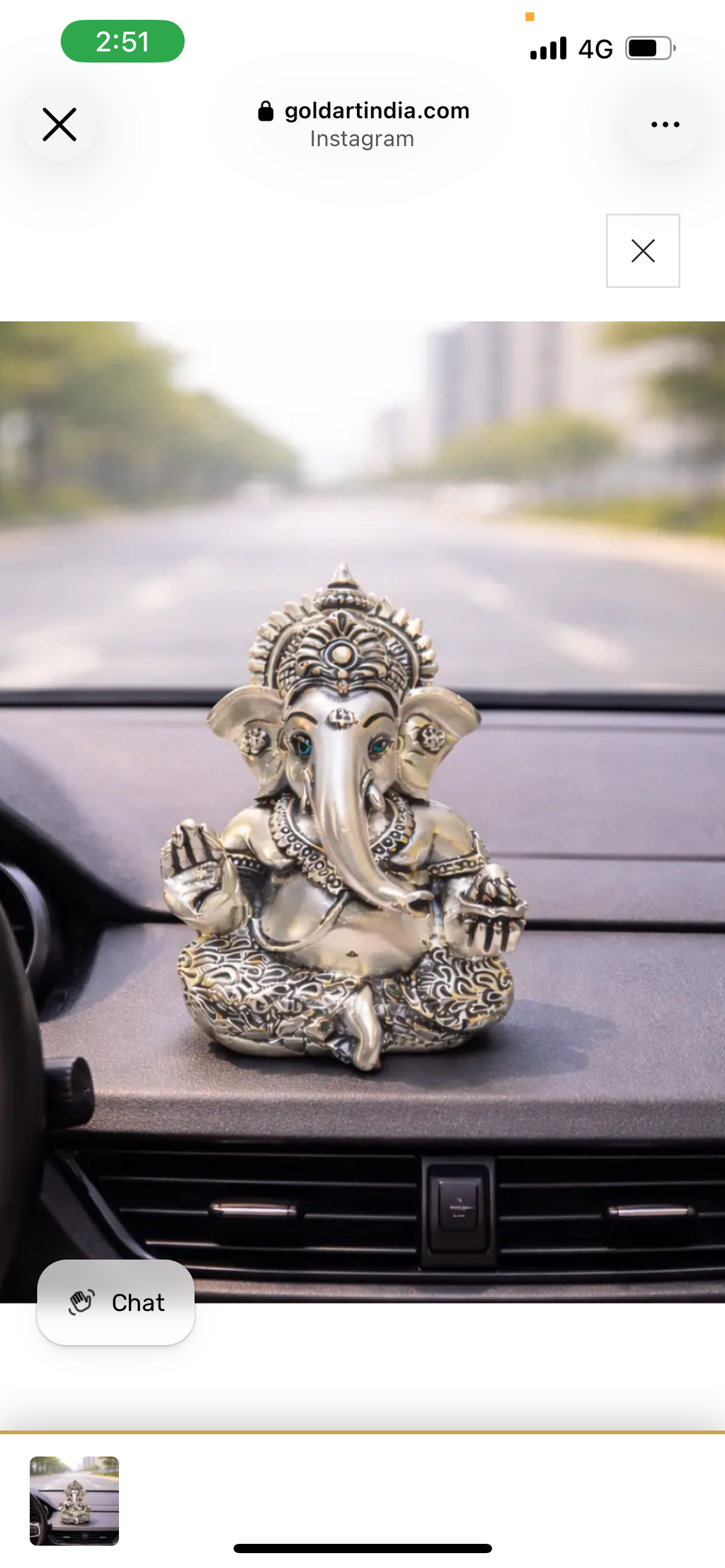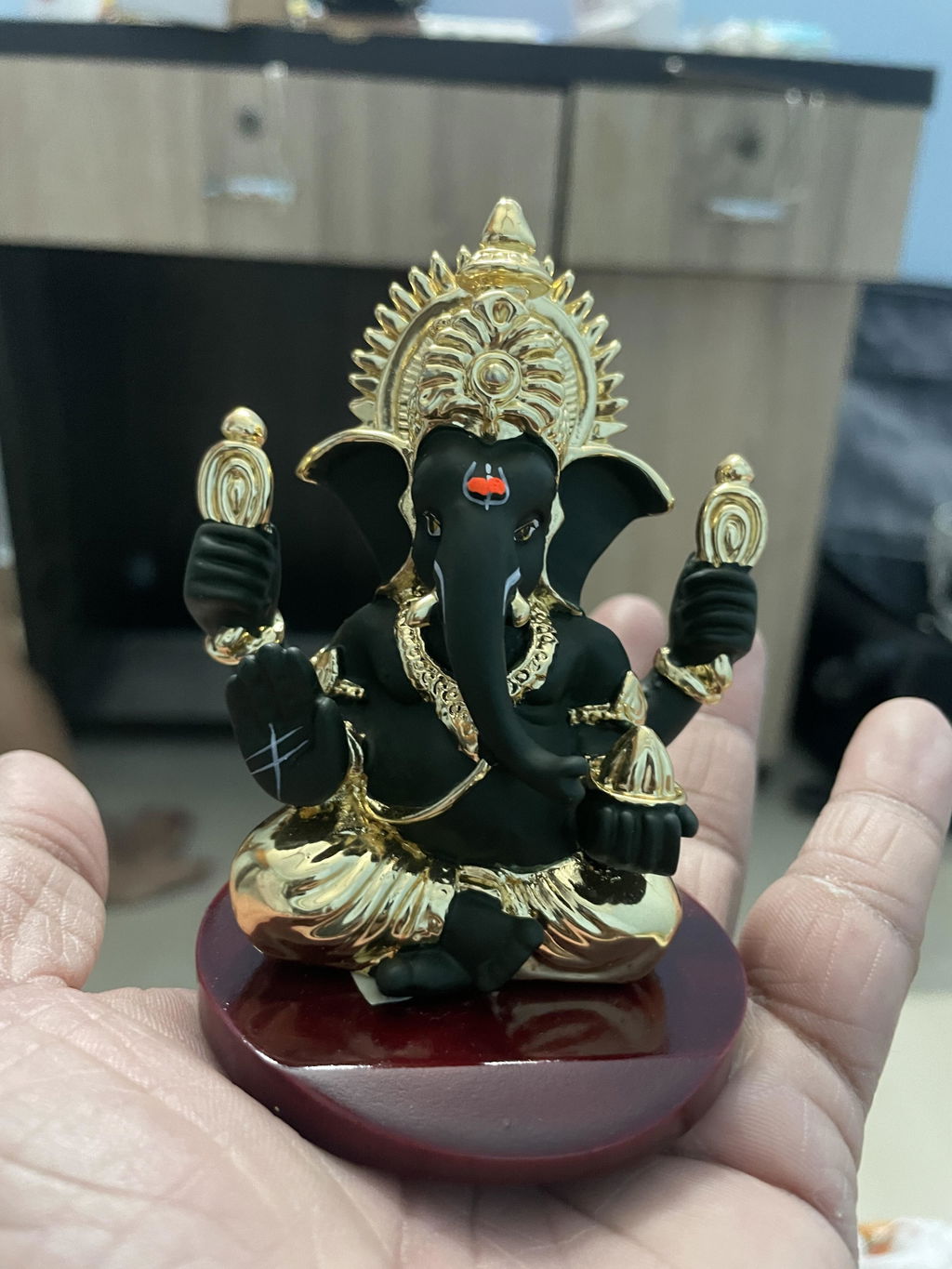
33 Years of
Sacred Craft
My dad built this with his own hands. We just helped him share it with the world.
He worked in someone else’s unit first
My dad spent years doing electroplating for someone else. He wasn’t in any rush to start his own thing. He wanted to learn it properly, understand every part of the process, figure out what could go wrong and why. That kind of patience is rare, but that’s just who he is.
By the time he felt ready, he knew the craft inside out. The chemistry, the temperatures, the current, how different metals behave, what makes a finish last. That knowledge didn’t come from any course. It came from years of doing the actual work.
He started his own unit in Mumbai
In 1991 he set up his own electroplating unit. Small space, not much equipment, but his standards were already high from day one. 999 silver plating and approximately 22kt gold plating, proper electroplating, no shortcuts. He was doing industrial and decorative work and he was good at it.
We grew up watching him work. The unit smelled of chemicals and there was always something being polished or tested. For us kids it was just normal, but looking back you can see how much care went into everything he made.
The thing nobody had tried before
In 2007 he started working with a chemical engineer on something a bit experimental. The idea was straightforward but nobody had really figured it out properly: could you electroplate a deity idol the same way you plate jewellery?
They tried with polyresin first because it holds detail better than plaster and it doesn’t crack the same way. Months of testing, a lot of failed batches, a lot of wasted material. But eventually they got it. The silver or gold would bond to the polyresin surface properly. You couldn’t peel it off. It wasn’t paint, it wasn’t coating. It was the same process jewellers use, applied to a Ganesha or a Lakshmi.
We put a few products on Amazon. It was an immediate hit.
Amazon India was just picking up in 2015 and someone in the family suggested we try selling online. We weren’t sure how it would go. We listed a small number of products and waited.
The orders came in faster than we expected. Then the reviews started. People were genuinely surprised by the quality, writing things like they’d never seen a plated idol that looked like this. Customers started gifting our idols for Diwali, for housewarming, for weddings. It just kept growing on its own.
Looking back, the timing was good. But the real reason it worked was that the product was genuinely different from everything else available online at the time.
Flipkart, and reaching more of India
By 2018 we had a proper catalogue and a growing base of repeat customers. Flipkart felt like the natural next step. More Indian shoppers, more cities, more people who could now find what we were making. The designs kept getting better too because we were getting feedback directly from customers and my dad was always improving things.
Amazon US, Blinkit, and finally our own website
Last year we launched on Amazon US, Blinkit, and built goldartindia.com. The US launch was something we felt deeply. Indian families abroad who had been looking for good quality idols for years, people who grew up with these deities at home and wanted something that actually matched the importance they hold. That meant a lot to us.
Blinkit brought same-day delivery to metros, which changed the gifting game completely. Someone decides on the morning of Diwali that they want a proper idol and it’s at their door in hours.
Today we have 5 lakh customers across three countries, 15,000 plus verified ratings with a 4.6 average, and more than 900 designs. My dad still reviews every new product before it goes out. That has never changed.
Why the plating actually lasts
Most decorative idols you see online are spray painted or coated with a thin gold-coloured paint. It looks fine in photos. In person, and six months later, the difference is obvious. Here is how ours are different.
Sculpted in polyresin
Every idol starts as a carefully sculpted polyresin form. Polyresin is much more durable than plaster of Paris and it holds fine detail well. Our moulds took years to get right.
Etching the details
Before plating, the surface is etched so the metal has something to properly bond to. This is the step my dad and the chemical engineer spent months figuring out back in 2007. It is what makes the finish look so sharp up close.
Electroplating bath
The idol goes into a bath of 999 silver or approximately 22kt gold with an electrical current running through it. The metal bonds to the surface properly. Same process as fine jewellery. It will not peel or fade the way paint does, especially when kept dry.
Lacquer seal and inspection
A protective lacquer goes on after plating. Keep the idol dry and away from moisture and it holds up well. Then every piece goes through a 12-point check before it is packed. My dad still looks at new designs personally before they go live.
What you’re actually paying for
33 years of work.
In your hands now.
From a small unit in Mumbai to half a million homes across India and abroad.
Every idol still carries the same standard my dad set in 1991.