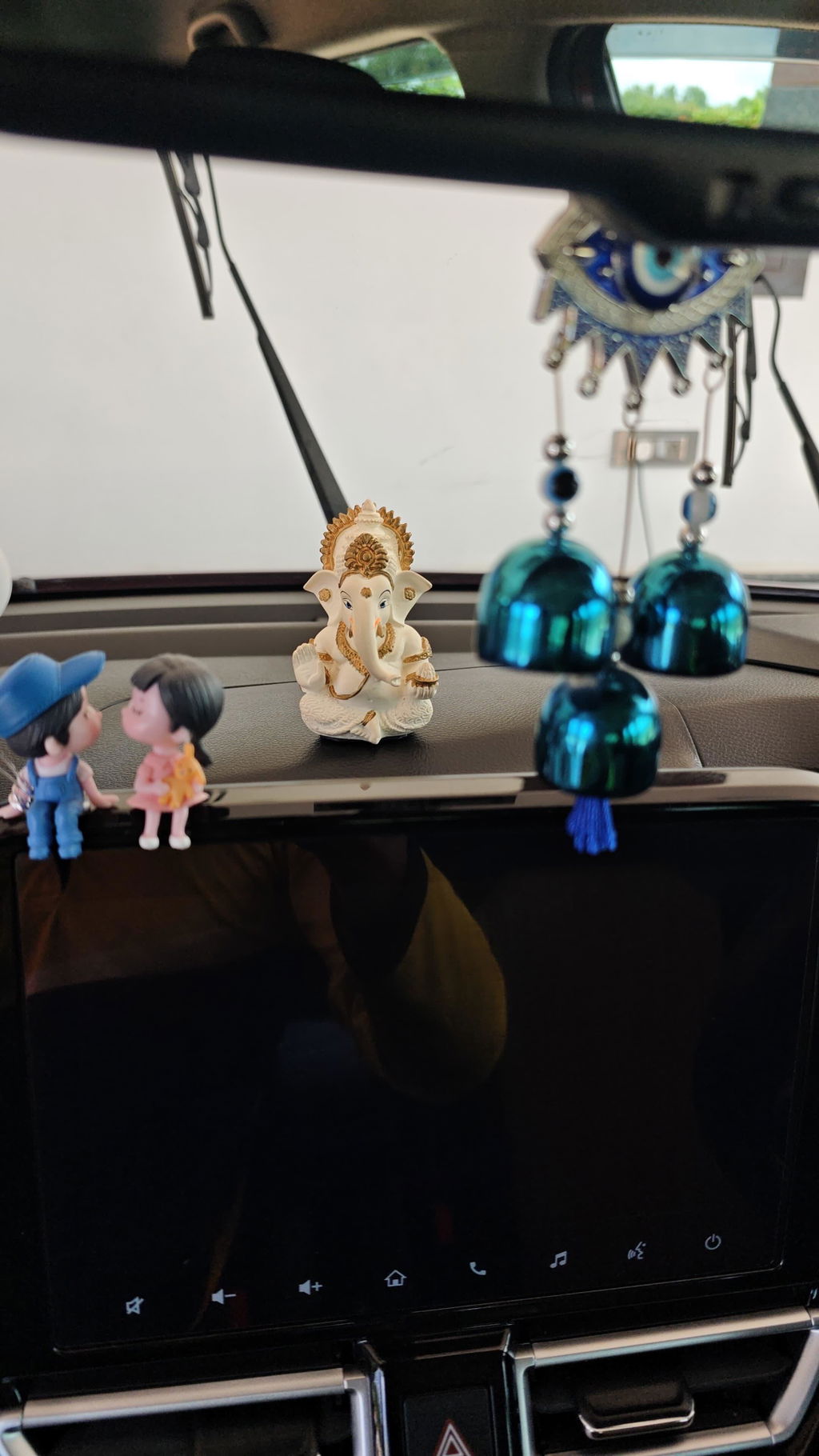

The Art and Science of Gold & Silver Electroplating on Idols
Walk into any market selling devotional idols and you'll see two kinds of gold or silver finish. One is spray paint — a thin cosmetic coat that chips within weeks and dulls within months. The other is genuine electroplating — the same metallurgical process used in fine jewellery, where actual gold or silver is bonded to the surface at the atomic level. The two can look nearly identical on day one. They do not look identical on day sixty.
This piece explains how electroplating actually works, why it holds up the way it does, and how to tell the difference between a properly plated idol and a painted one before you buy.
What Electroplating Actually Is
Electroplating is an electrochemical process, not a coating or a paint. A metal object is placed in a solution containing dissolved metal ions — in this case, gold or silver — and an electric current is passed through the solution. The current causes the metal ions to migrate to the object's surface and bond to it atom by atom, forming a continuous, adherent metallic layer. This is chemically identical to what happens in a jewellery electroplating bath; the process used for a plated idol and a plated ring is the same physics.
The thickness of this layer is measured in microns (thousandths of a millimetre). A typical decorative electroplate runs between 0.5 and 3 microns, depending on the finish and the base metal used. This is thin enough to be economical and thick enough to be durable when the underlying process is done correctly — which is the part that varies enormously between manufacturers.
Why Polyresin Needs an Extra Step First
Electroplating requires a conductive surface, because the process depends on electric current flowing through the object being plated. Metal objects are naturally conductive. Polyresin — the material most decorative idols are sculpted from, chosen for its ability to hold fine detail and its light weight — is not.
To electroplate a polyresin idol, the surface must first be made conductive. This is done by applying a base coat containing conductive particles, typically a metallic lacquer or a copper-based undercoat, across the entire sculpted surface. Only once this conductive layer is in place can the object go into the electroplating bath. Skipping or under-applying this step is one of the most common shortcuts taken by lower-quality manufacturers, and it's largely invisible until the plating starts flaking in patches — a telltale sign the electroplate never bonded properly in the first place.
The Full Process, Step by Step
- Sculpting and casting — the idol is sculpted and cast in polyresin, capturing fine detail that would be difficult or costly to achieve in solid metal.
- Surface preparation — the cast piece is cleaned, sanded where needed, and any casting seams or imperfections are corrected.
- Conductive base coating — a conductive lacquer or metallic undercoat is applied, making the non-conductive polyresin surface electrically active.
- Electroplating bath — the prepared idol is submerged in an electrolytic solution containing dissolved 999 silver or 22kt gold, and a controlled electric current deposits the metal onto the surface.
- Rinsing and inspection — the plated piece is rinsed to remove residual solution and inspected for even coverage, particularly in recessed detail areas where plating can sometimes run thin.
- Lacquer sealing — a protective clear lacquer is applied over the finished plate. This slows down natural tarnishing (silver) and oxidation (gold alloys can still dull over time) without altering the metallic appearance.
999 Silver and 22kt Gold: What the Numbers Mean
999 silver refers to fineness — 99.9% pure silver, the same standard used in silver bullion and fine jewellery. It's the silver purity most commonly used in decorative electroplating because higher purity silver plates more evenly and resists tarnishing better than lower-purity alloys.
22kt gold means 22 parts out of 24 are pure gold (91.6% purity), alloyed with a small amount of other metals for durability. This is the same karat commonly used in Indian gold jewellery, chosen because pure 24kt gold is too soft to hold a durable plated layer on its own.
Electroplating vs. Spray Paint: What Actually Differs
| Property | Genuine Electroplating | Spray Paint / Metallic Lacquer |
|---|---|---|
| Bonding mechanism | Electrochemical bond at the atomic level | Surface adhesion only, like any paint |
| Material | Real silver or gold, deposited in microns | Pigment suspended in a solvent or resin binder |
| Wear pattern | Gradual dulling over years with basic care | Visible chipping and flaking within weeks to months |
| Colour under wear | Tarnishes to a duller metallic tone | Base material (often plain resin) shows through |
| Cost driver | Metal cost + electroplating process | Pigment and labour only |
How to Tell the Difference Before You Buy
- Check the recessed detail. Genuine electroplating deposits metal evenly across the whole conductive surface, including crevices and folds in the sculpting. Spray paint tends to pool unevenly and often misses tight recesses entirely.
- Ask what purity is used. A seller offering genuine electroplating will readily state the silver fineness or gold karat used, because it's a real, verifiable spec. Vague answers like "gold finish" or "golden colour" without a purity figure are a signal worth noting.
- Look at existing reviews or photos of used pieces. Electroplated pieces dull gradually and evenly. Painted pieces chip in patches, usually first at edges and high-contact points.
Caring for an Electroplated Idol
| Cleaning | Wipe with a soft, dry cloth only. Never use water, soap or chemical cleaners — even genuine plating can be dulled by moisture over repeated exposure. |
| Puja offerings | For plated decorative idols, offer milk, water or oil in a bowl placed in front, rather than pouring directly onto the idol. |
| Sunlight | Prolonged direct sunlight can accelerate dulling of the lacquer seal over time. |
| Storage | Keep in a dry environment; humidity is the primary driver of tarnish acceleration on silver-plated surfaces. |
Frequently Asked Questions
Is electroplated silver the same as sterling silver?
No. Sterling silver (925) is a solid silver alloy used throughout an object. Electroplating deposits a thin layer of silver onto a different base material — the object is not solid silver underneath.
Will the plating eventually wear off completely?
With normal handling and the care steps above, a properly electroplated layer lasts for years without significant visible wear. It can dull gradually over long periods, similar to how plated jewellery ages, but this is different from the rapid chipping seen with painted finishes.
Why not just use solid gold or silver?
Cost and weight. A solid silver or gold idol of any meaningful size would be prohibitively expensive and impractically heavy for most home or car use. Electroplating over polyresin achieves the visual and tactile quality of precious metal at a fraction of the material cost.
Does a thicker plate mean better quality?
Generally yes, within reason — a plate that's too thin wears through faster. But thickness matters less than proper surface preparation; a thick plate applied over a poorly prepared conductive base coat will still flake, just more slowly.