

Silver vs Gold Ganesha Idol — Which Should You Buy?
Gold Art India Buyer's Guide
Why This Guide Exists
Both gold and silver plated Ganesha idols are equally auspicious in Hindu tradition — Vighnaharta's blessing does not depend on the metal. The choice comes down to setting, aesthetic and what the idol will sit alongside, not spiritual hierarchy.
Who this is for: anyone choosing between metals for a car dashboard, office desk or home mandir Ganesha.
What you'll walk away knowing: when each metal makes practical sense, and whether a dual-tone finish is worth considering.
The Complete Buying Guide
The Case for Gold
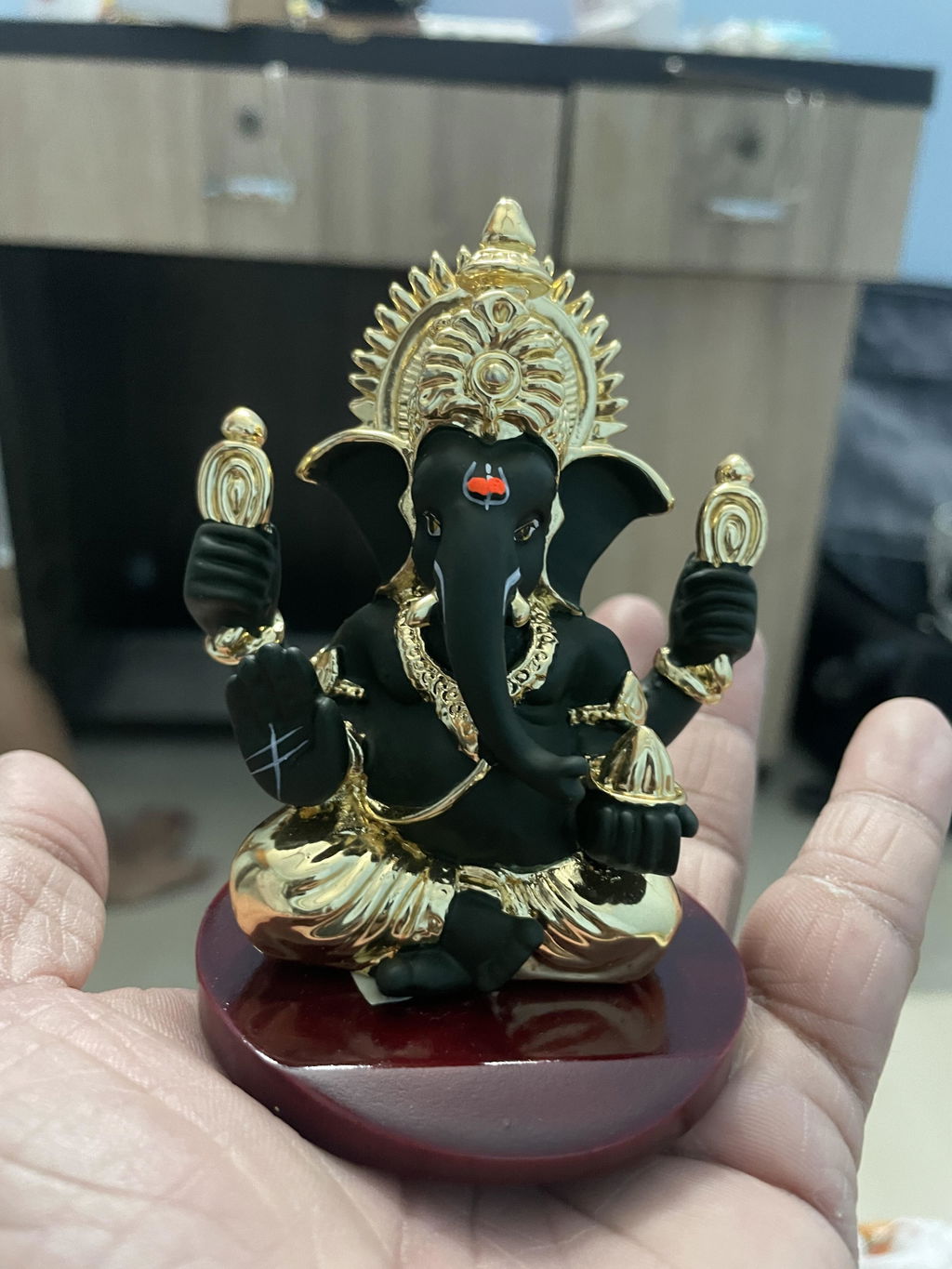
Gold is the more festive, traditional choice — associated with prosperity and warmth, and the most common finish for Diwali and Ganesh Chaturthi gifting. A Gold Plated Antique Matte Ganesha at 3.3 inch suits a home mandir shelf or a premium desk placement, with a heritage, temple-like depth rather than a glossy new-plating shine.
The Case for Silver
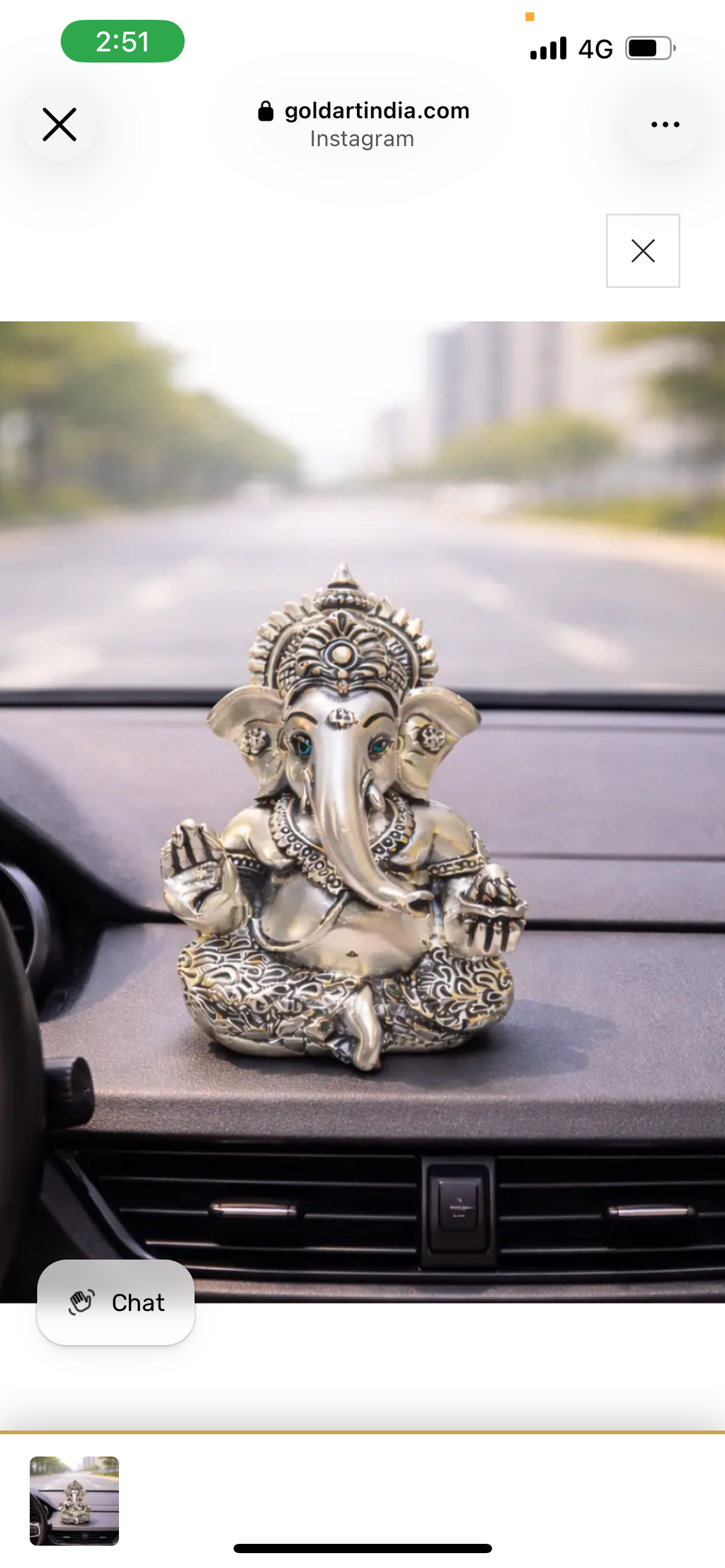
Silver is the cooler, more understated choice — it reflects light cleanly against most car interior colours and shows fewer fingerprints than gold on a dashboard that gets touched daily. A Silver Plated Antique Matte Ganesha at 3.5 inch is one of Gold Art India's best-selling car dashboard idols for exactly this reason.
Expert insight: if you already have a gold-heavy mandir shelf with Lakshmi or Balaji, a silver Ganesha creates useful visual balance rather than repeating the same tone. If this is your first idol on a shelf, gold is the more traditional starting point.
Real-Life Use Cases
| Car dashboard | Silver — shows fewer fingerprints, cleaner reflection |
| Home mandir centrepiece | Gold — the more traditional, festive choice |
| Office desk | Either — silver reads more professional and understated |
| Diwali or Ganesh Chaturthi gifting | Gold — the festive standard |
| Secondary shelf alongside a gold Lakshmi or Balaji | Silver, for visual balance |
Price Comparison
| Gold Plated Antique Matte, 3.3 inch | ₹999 |
| Silver Plated Antique Matte, 3.5 inch | ₹999 |
| Silver Plated White Terracotta, 3.5 inch | ₹899 |
| Gold accent terracotta (Peach Ivory, Mango), 3.5 inch | ₹799 |
Prices shown are for reference — check the live collection page for current pricing across all finishes.
Vastu Tips
Ganesha faces North or East, so you face South or West during puja — this applies equally regardless of gold, silver or dual-tone finish. Never facing south. Eye level or above, never on the bare floor.
Comparison: Gold vs Silver vs Dual-Tone
| Gold | Festive, traditional, gifting |
| Silver | Understated, practical, car/desk |
| Dual-tone | Middle ground, pairs with either gold or silver setups |
A Practical Note
Gold plated idols show fingerprints and dust more visibly than silver due to higher shine — worth factoring in for a car dashboard piece that gets touched and wiped often.
Common Mistakes People Make
- Assuming one metal is spiritually superior — neither is
- Choosing gold for a frequently-touched dashboard spot where fingerprints show constantly
- Not considering the existing shelf or car interior colour when picking a metal
Maintenance & Care
Both metals hold their finish equally well when genuinely electroplated. Soft dry cloth only — never water, soap or chemicals on either finish.
Frequently Asked Questions
Which metal is more durable long-term?
Both are equally durable when genuinely electroplated — finish quality depends on the plating process, not the metal itself.
Does the metal affect the blessing?
No — Vastu and devotional tradition don't rank one metal as spiritually superior for Ganesha.
Which is better for a car dashboard?
Silver is generally the more practical pick — it shows fewer fingerprints and suits most car interior colours.
Is dual-tone a safe default?
Yes — dual-tone gold and silver idols work well alongside either an existing gold or silver mandir setup.
Related Reading
Best Ganesha Idol Under ₹1000 · Best Silver Plated Ganesha for Car Dashboard · The Complete Guide to Choosing a Ganesha Idol
Conclusion — What to Actually Buy
For a car dashboard, go silver — practical and clean against most interiors. For a home mandir centrepiece, gold is the more traditional, festive choice. Either way, confirm genuine electroplating rather than a painted finish.